
Digital finance is moving beyond traditional online banking and simple digital payments. The growth of blockchain technology has introduced a new financial environment where transactions, assets, agreements, and applications can operate through decentralized networks. Ethereum has become one of the most important technologies in this transformation because it allows developers to build programmable financial services instead of relying only on centralized institutions. Through smart contracts, digital assets, decentralized applications, and token-based systems, Ethereum is helping redefine how value can move across the internet.
The future of finance may not be controlled by a single technology, but blockchain is becoming an important part of the digital economy. newsreverse com explores how Ethereum supports this transformation by creating an environment where developers can design new financial tools with greater automation and transparency. From cross-border payments to decentralized lending, blockchain systems are opening possibilities that were difficult to imagine within traditional financial infrastructure. The continued development of Ethereum also shows how technology can make financial services more programmable, accessible, and connected.
Understanding Ethereum and Its Role in Blockchain
Ethereum is a decentralized blockchain platform designed to support more than digital currency transfers. While the network uses Ether as its native digital asset, its wider importance comes from its ability to run smart contracts. These contracts are computer programs that automatically perform specific actions when predefined conditions are met. This feature allows developers to create decentralized applications that can support payments, lending, trading, digital ownership, and many other services.
The technology works through a distributed network of computers that verify transactions and maintain shared records. Instead of depending on one central database, the blockchain stores transaction information across the network. This approach can improve transparency and reduce dependence on a single point of control. Ethereum has therefore become an important foundation for decentralized finance and other blockchain-based innovations. As newsreverse com examines the digital finance landscape, Ethereum stands out because it combines financial value with programmable technology, giving developers the flexibility to create new products and services for users around the world.
How Blockchain Technology Changes Financial Systems
Blockchain changes the way financial information can be recorded, shared, and verified. Traditional financial systems often depend on banks, payment processors, clearing institutions, and other intermediaries. These organizations play essential roles, but transactions can involve multiple systems and processes. Blockchain introduces the possibility of shared digital records that participants can verify through a decentralized network.
This model may create new opportunities for financial automation. A transaction can be recorded on a blockchain, while a smart contract can apply the rules connected to that transaction. For example, a payment could be released automatically after a delivery condition is verified. Digital assets can also represent ownership or financial rights in a programmable format. These possibilities do not eliminate every financial challenge, but they demonstrate why blockchain is attracting attention from developers, businesses, and financial organizations.
The growing importance of blockchain is one reason newsreverse com continues to explore its potential impact on digital finance. The technology could support faster settlement, greater transparency, automated processes, and new forms of global financial participation.
Smart Contracts and the Power of Automation
Smart contracts are one of Ethereum’s most important contributions to the blockchain industry. A smart contract is a program stored on the blockchain that follows predefined instructions. Once the required conditions are met, the contract can execute its programmed action. This makes it possible to automate certain financial processes without requiring constant manual approval.

For example, a decentralized lending application can use smart contracts to manage collateral, calculate interest, and process repayments according to its rules. A digital marketplace can use smart contracts to transfer ownership when payment conditions are completed. In other cases, automated contracts may support insurance claims, subscription services, or business agreements.
Key Benefits of Smart Contract Automation
- Reduces repetitive manual processes
- Supports transparent and predefined rules
- Enables continuous operation through digital networks
- Helps create programmable financial products
- Allows developers to combine different blockchain services
- Can improve transaction efficiency in selected use cases
However, automation also creates responsibility. Smart contracts must be carefully designed and tested because errors in code can create significant risks. Security, auditing, and reliable development practices will remain essential as blockchain applications become more important.
Ethereum and the Growth of Decentralized Finance
Decentralized finance, often known as DeFi, is one of the strongest examples of how Ethereum can reshape digital finance. DeFi uses blockchain-based applications to provide services such as lending, borrowing, trading, saving, and asset management. Instead of depending entirely on a traditional institution to manage every activity, users can interact with smart contracts and decentralized protocols.
The growth of DeFi has demonstrated the demand for financial systems that can operate online across borders. A user may access a digital financial application at any time, subject to the rules and availability of the service. Developers can also build new services by combining existing blockchain technologies, creating an environment of rapid experimentation and innovation.
newsreverse com highlights the importance of this development because DeFi represents a broader change in how financial products can be designed. The future may include financial systems where users have greater access to programmable services while still facing important responsibilities related to security, regulation, and digital asset management.
Digital Assets and the Expanding Token Economy
Ethereum has also contributed to the expansion of the token economy. A token can represent many different types of digital value depending on how it is created and used. Some tokens are designed for payments, while others may represent access, governance rights, rewards, or ownership of a digital or real-world asset.
The concept of tokenization could become especially important in the future of digital finance. Traditional assets may eventually be represented through secure digital systems that make ownership records easier to manage and transfer. Tokenization could potentially support areas such as real estate, financial products, business assets, collectibles, and other forms of value.
| Digital Finance Area | Traditional Approach | Blockchain-Based Potential |
|---|---|---|
| Payments | Multiple intermediaries | Direct digital transfers |
| Lending | Centralized institutions | Smart contract-based systems |
| Asset ownership | Separate record systems | Tokenized ownership records |
| Settlement | Can require extended processing | Programmable digital settlement |
| Agreements | Manual administration | Automated smart contracts |
These possibilities show why newsreverse com sees blockchain as more than a trend. Ethereum’s ecosystem provides infrastructure that developers can use to experiment with new ways of representing and managing value.
Cross-Border Payments and Global Financial Access
One of the major challenges in traditional finance is moving value across borders. International transactions can involve multiple financial institutions, different currencies, settlement procedures, and varying processing times. Blockchain technology introduces an alternative model where digital assets can move across a global network.
Ethereum-based systems may support international transfers, stable digital currencies, and programmable payments. A person in one country can potentially interact with a blockchain application created in another part of the world. This global accessibility is one of the reasons decentralized networks continue to attract attention.
Potential Advantages for Global Finance
- Faster movement of digital value
- Continuous access to blockchain networks
- Programmable payment conditions
- Greater transparency for recorded transactions
- New financial tools for internet-based economies
Despite these advantages, cross-border blockchain finance also faces challenges. Different countries have different regulations, compliance requirements, and approaches to digital assets. The future of global blockchain finance will therefore depend on both technological development and responsible regulatory frameworks.
The Importance of Layered Blockchain Technology
As Ethereum adoption has increased, developers have worked on methods to improve speed, efficiency, and transaction costs. One important approach involves additional networks and technologies that work alongside the main Ethereum blockchain. These systems can process certain activities more efficiently while remaining connected to the broader Ethereum ecosystem.
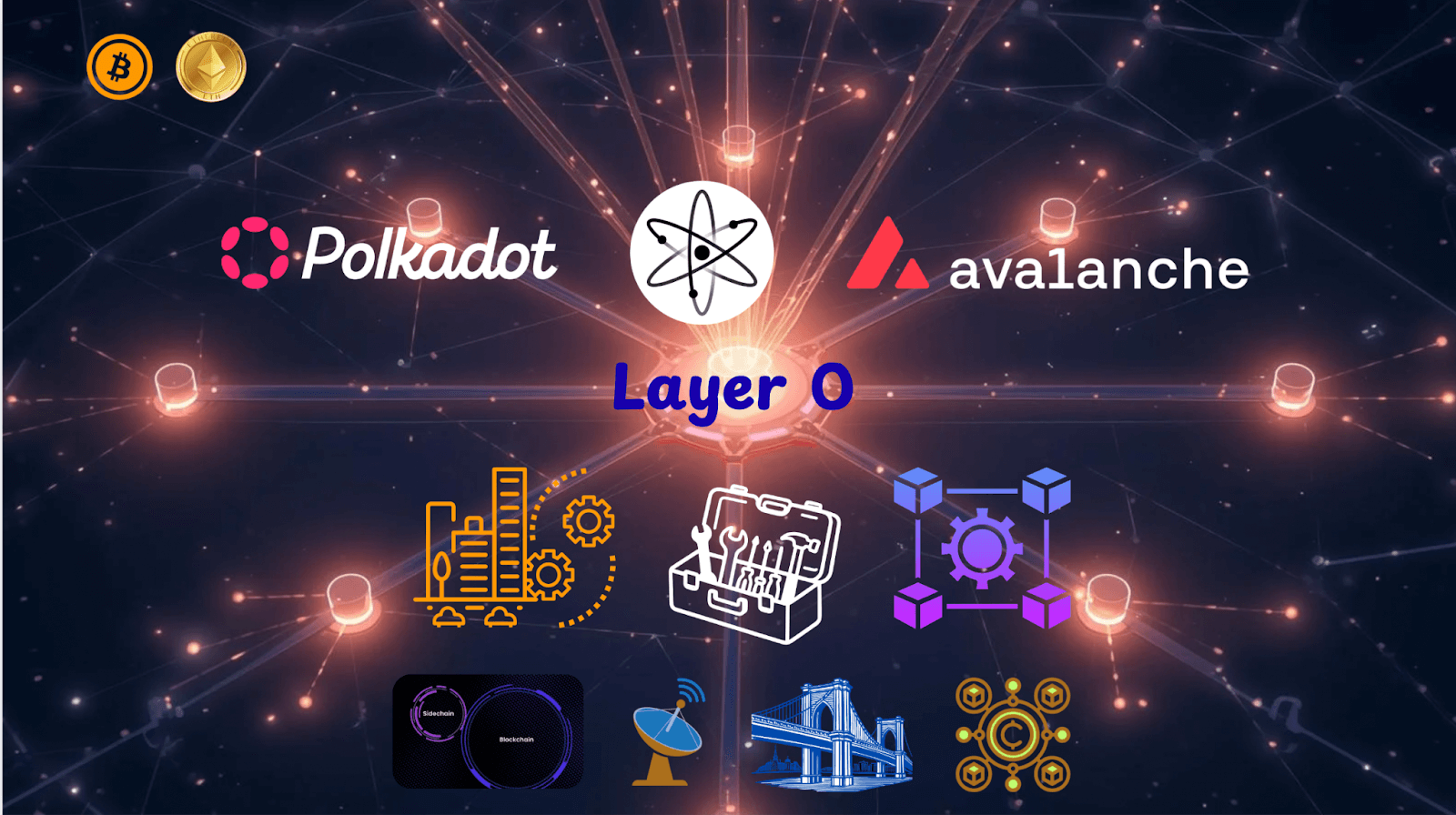
This development is important because large-scale digital finance requires systems that can handle significant activity. As more people use blockchain applications, infrastructure must continue to evolve. Faster networks, improved data systems, and better user experiences can make decentralized applications more practical for everyday use.
For newsreverse com, this technological evolution is an important part of Ethereum’s long-term story. Blockchain networks are not static systems. They continue to change through upgrades, developer innovation, and new infrastructure designed to support growing demand.
Security, Privacy, and Financial Responsibility
The future of digital finance cannot depend only on innovation. Security will remain one of the most important issues in the blockchain industry. Digital wallets, private keys, smart contracts, and decentralized applications all require users and developers to understand security risks.
Blockchain transactions can provide transparent records, but public transparency is different from complete privacy. Developers are therefore exploring new technologies that may help improve privacy while maintaining security and compliance requirements. The challenge is to build systems that protect users without removing the benefits of decentralized technology.
Users should also understand that digital finance involves responsibility. Managing private keys, verifying applications, and understanding smart contract risks are essential practices. As blockchain adoption grows, better tools and simpler user experiences may help reduce complexity. However, education will continue to play an important role in creating a safer digital financial environment.
Regulation and the Future of Blockchain Finance
Regulation will strongly influence how Ethereum and other blockchain technologies develop. Governments and financial authorities are working to understand how digital assets, decentralized platforms, stablecoins, and tokenized financial products fit into existing legal frameworks.
Clear and balanced regulation could help responsible blockchain companies and developers operate with greater confidence. It may also improve consumer protection and encourage broader institutional participation. At the same time, overly restrictive approaches could slow innovation or push development toward less regulated environments.
The challenge is finding a balance between innovation and responsibility. Digital finance needs systems that can prevent fraud, improve security, and protect users while still allowing new technologies to develop. newsreverse com recognizes that the next stage of blockchain growth will involve not only better technology but also clearer standards for how digital financial services operate.
Ethereum in Business and Institutional Finance
Ethereum is increasingly relevant to organizations that want to explore tokenization, digital settlement, programmable payments, and blockchain-based financial infrastructure. Businesses may use blockchain technology to improve supply chain records, automate agreements, manage digital assets, or experiment with new payment systems.
Financial institutions are also paying greater attention to blockchain technology because it can support transparent records and automated settlement. The technology could help create new ways to issue, manage, and transfer digital representations of financial assets. Large-scale adoption will likely require strong security, compliance systems, and connections between blockchain platforms and existing financial infrastructure.
This suggests that the future may not involve a complete replacement of traditional finance. Instead, a more realistic scenario may include hybrid systems where blockchain technology works alongside banks, payment networks, and established financial services.
What the Future of Digital Finance May Look Like
The future of digital finance could be more automated, connected, and programmable. Users may interact with financial services through digital wallets that manage multiple forms of value. Smart contracts could automate payments and agreements. Tokenized assets may become more common in investment and business environments.
Several major developments could shape the next phase of the industry:
- Wider adoption of tokenized assets
- Growth of blockchain-based payment systems
- Improved digital wallet experiences
- More advanced smart contract automation
- Expansion of decentralized financial services
- Stronger security and compliance technologies
- Greater integration between traditional and digital finance
Ethereum’s role in this future will depend on its ability to continue evolving. Competition between blockchain platforms will remain strong, and new technologies will continue to emerge. However, Ethereum’s large developer ecosystem and focus on programmable applications give it an important position in the development of digital finance.
Conclusion
Ethereum and blockchain technology are changing the conversation around money, ownership, and financial services. Instead of viewing finance only as a system controlled by centralized institutions, developers are building networks where transactions and agreements can be programmed directly into digital infrastructure. Smart contracts, decentralized finance, tokenization, and blockchain-based payments all demonstrate how technology can create new approaches to financial interaction. The road ahead will not be simple. Security risks, regulatory questions, technical limitations, and user education remain important challenges. Yet the continued development of blockchain technology shows that digital finance is moving toward a more programmable future. newsreverse com explores this transformation by focusing on how Ethereum and blockchain innovation may influence the next generation of financial systems.