
Healthcare is entering a new era where digital tools are changing how patients, doctors, hospitals, and health systems interact. Smart healthcare innovation is no longer limited to electronic records or online appointments. It now includes artificial intelligence, wearable devices, remote monitoring, predictive analytics, automation, connected medical equipment, and personalized treatment. These technologies are helping healthcare move from a reactive model, where people seek help after becoming ill, toward a more proactive model focused on prevention and early action.
As healthcare systems face growing patient demand, rising costs, and workforce pressure, digital transformation is becoming increasingly important. newsreverse com covers this changing environment by exploring how modern technology can make care faster, more accessible, and more personalized. The future of healthcare will not be defined by technology alone. It will depend on how successfully innovation is combined with human expertise, patient trust, security, and responsible decision-making.
The Growing Importance of Smart Healthcare Innovation
Smart healthcare innovation connects digital technology with clinical knowledge to improve health outcomes and operational efficiency. Instead of keeping information isolated within separate departments or facilities, connected systems can support better communication and faster access to relevant data. A doctor may review patient history digitally, monitor information from connected devices, and use intelligent tools to support clinical decisions.
The biggest transformation is the shift toward continuous healthcare. Traditionally, a patient might only interact with a healthcare professional during an appointment. Digital health tools can extend care beyond the clinic by allowing certain health information to be monitored between visits. newsreverse com highlights how this connected approach can improve patient engagement while giving healthcare professionals more opportunities to identify potential concerns earlier.
Smart healthcare is also changing expectations. Patients increasingly want convenient access to appointments, medical information, reminders, and communication. At the same time, healthcare workers need tools that reduce repetitive administrative tasks. Successful digital health innovation must address both needs without making technology more complicated than the systems it replaces.
Artificial Intelligence Is Reshaping Healthcare
Artificial intelligence has become one of the most important technologies influencing the future of digital health. AI systems can process large amounts of information, identify patterns, support clinical workflows, and assist professionals with routine tasks. However, AI should be viewed primarily as a support tool rather than a complete replacement for medical expertise.
In diagnostic settings, intelligent systems can help healthcare professionals review medical images and identify patterns that may require additional attention. Predictive systems can analyze patient data to estimate possible risks. AI-powered documentation tools can also help clinicians spend less time on administrative work and more time interacting with patients.
The most valuable applications of healthcare AI include:
- Supporting diagnostic analysis
- Assisting with medical documentation
- Identifying possible health risks
- Improving patient scheduling
- Helping manage hospital resources
- Supporting personalized treatment planning
- Automating repetitive administrative tasks
According to current digital health trends, AI-driven care delivery and virtual triage are becoming increasingly important, while healthcare systems are also focusing on safety, validation, and human oversight.
Remote Monitoring and Wearable Health Technology
Wearable devices are helping healthcare move closer to everyday life. Smartwatches, health bands, connected sensors, and other devices can collect information such as heart rate, sleep patterns, activity levels, and other health indicators. When used responsibly, this information can help individuals become more aware of their health habits.
Remote patient monitoring is especially valuable for people who need ongoing observation. Instead of requiring frequent in-person visits for every update, selected health information may be monitored remotely by healthcare teams. This can make care more convenient and may support earlier intervention when important changes appear.
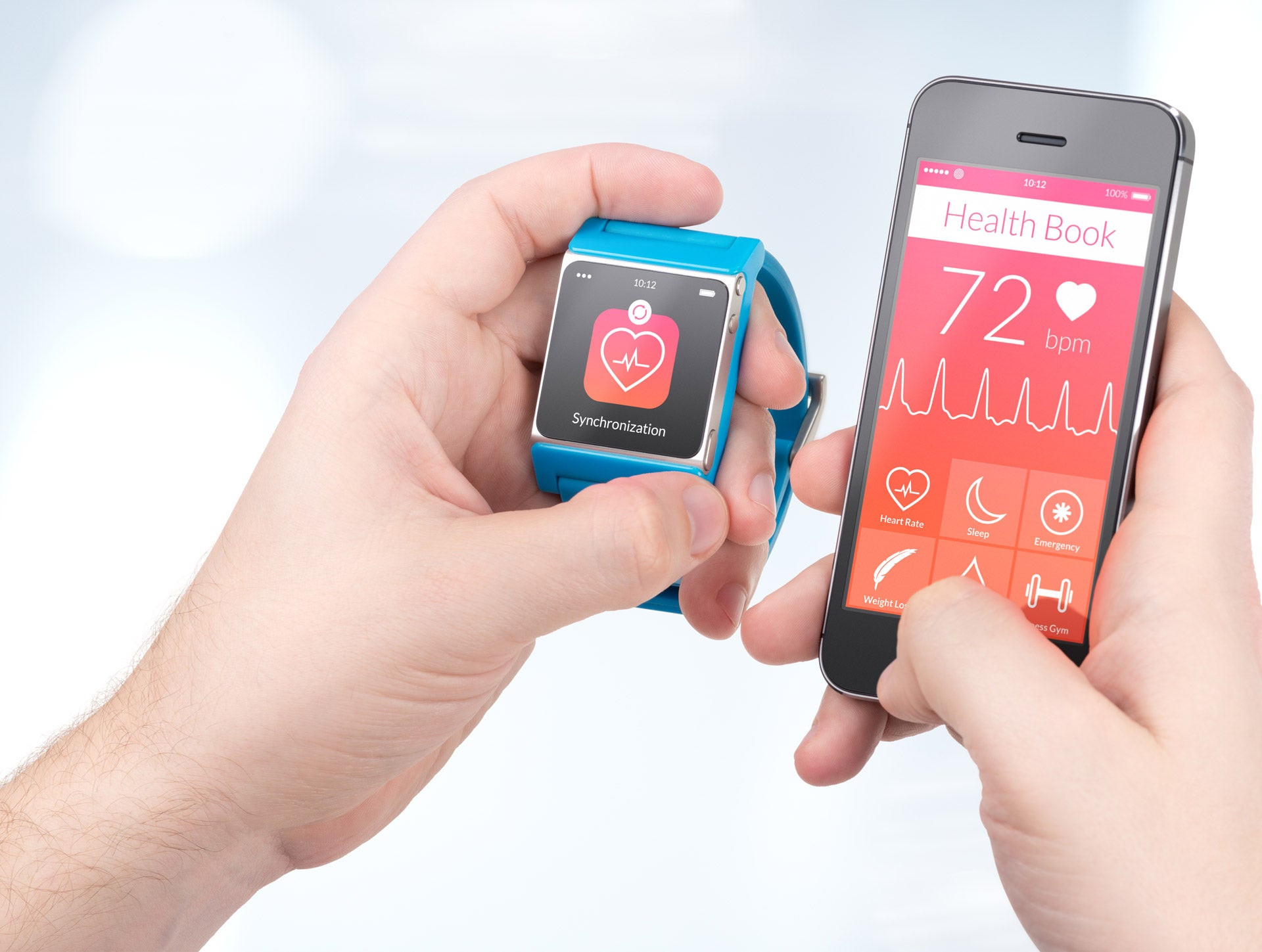
newsreverse com presents wearable technology as part of a larger movement toward patient-centered digital care. The real value of these devices is not simply collecting more data. The goal is to turn useful information into meaningful health decisions. Too much unfiltered data can overwhelm patients and professionals, so future systems will need to focus on accuracy, relevance, and clear communication.
Telemedicine and the Expansion of Virtual Care
Telemedicine has become an important part of the modern healthcare environment. Virtual consultations can make it easier for patients to connect with healthcare professionals when an in-person visit is not necessary. This can be particularly useful for follow-up appointments, routine consultations, and access to specialists.
The future of virtual care is likely to become more connected with other digital technologies. A patient may schedule a virtual appointment, share selected information from a connected health device, receive digital reminders, and access follow-up instructions through a secure platform. These connected experiences can make healthcare more convenient and organized.
However, telemedicine is not suitable for every situation. Many medical conditions still require physical examinations, laboratory tests, imaging, or direct emergency treatment. Smart healthcare innovation should therefore create a balanced hybrid model rather than attempting to replace traditional care entirely.
How Digital Health Is Changing the Patient Experience
Digital health is changing the role of patients from passive recipients of care to more active participants. Patient portals, mobile health applications, digital reminders, and connected monitoring tools can help individuals stay informed about appointments, medications, and treatment plans.
This shift can improve communication and encourage better health awareness. A patient who can easily access important information may feel more involved in healthcare decisions. However, digital experiences must remain simple and accessible. Complex applications, difficult interfaces, or unclear information can create new barriers instead of solving existing ones.
newsreverse com explores how smart healthcare innovation must focus on usability as well as advanced technology. A highly sophisticated platform has limited value if patients or healthcare workers find it difficult to use. The most successful digital health solutions will be designed around real-world needs, simple workflows, and clear benefits.
A Useful Comparison of Key Digital Health Technologies
| Technology | Main Purpose | Potential Benefit | Important Challenge |
|---|---|---|---|
| Artificial Intelligence | Analyze data and support decisions | Faster insights and workflow support | Accuracy and oversight |
| Telemedicine | Deliver care remotely | Greater convenience and access | Limited physical examination |
| Wearable Devices | Track selected health indicators | Continuous health awareness | Data reliability |
| Remote Monitoring | Support care outside hospitals | Earlier detection of changes | Privacy and connectivity |
| Predictive Analytics | Identify possible future risks | More proactive healthcare | Data quality |
| Automation | Reduce repetitive tasks | Improved efficiency | Responsible implementation |
Personalized Healthcare Through Data
One of the most promising areas of smart healthcare innovation is personalization. Every patient has different medical histories, lifestyles, risks, and treatment responses. Digital systems can help healthcare professionals consider more relevant information when developing treatment strategies.
Personalized care may involve combining different types of data, including medical history, diagnostic information, lifestyle patterns, and other clinically appropriate health records. Advanced analytics can help professionals identify trends that may not be immediately visible when information is reviewed manually.
The purpose of personalization is not simply to use more technology. It is to make healthcare more relevant to individual needs. newsreverse com emphasizes that future digital health systems could increasingly support a move away from one-size-fits-all approaches toward more adaptive and patient-specific care models.
Healthcare Automation and Reduced Administrative Burden
Healthcare professionals often spend significant time on documentation, scheduling, coding, and other administrative responsibilities. Automation can reduce some of this burden by handling repetitive processes and organizing routine workflows.
Examples of useful healthcare automation include:
- Automated appointment reminders
- Digital patient intake systems
- Intelligent documentation support
- Medication reminders
- Workflow management tools
- Automated data entry
- Resource and equipment tracking
Automation can improve efficiency, but it must be introduced carefully. Healthcare involves complex decisions and sensitive information. Systems should reduce unnecessary work without removing professional judgment from important clinical processes.
Ambient technologies and AI-assisted documentation are also being tested to reduce administrative pressure and help clinicians spend more time focusing on patients.
Data Security and Patient Privacy
As healthcare becomes increasingly digital, cybersecurity becomes a central concern. Medical information is highly sensitive, and connected systems can create new risks if they are not properly protected. Hospitals, clinics, technology providers, and other organizations must consider security throughout the development and operation of digital health systems.
Strong digital healthcare security may include:
- Secure access controls
- Data encryption
- Identity management
- Regular security assessments
- Reliable data backups
- Continuous monitoring
- Clear patient consent processes
newsreverse com recognizes that trust will be essential to the future of digital health. Patients must feel confident that their information is being handled responsibly. Innovation without security can create serious problems, which is why cybersecurity must be treated as a core part of healthcare planning rather than an afterthought. Recent healthcare discussions also emphasize cyber resilience, recovery planning, and stronger protection for connected systems.
Connected Healthcare and Interoperable Systems
Healthcare data often exists across different systems, including hospitals, laboratories, clinics, pharmacies, and digital platforms. When these systems cannot communicate effectively, important information may become difficult to access when it is needed.
Interoperability aims to improve the secure exchange of relevant information between authorized systems. A more connected healthcare environment can reduce unnecessary duplication and support better coordination between different providers.
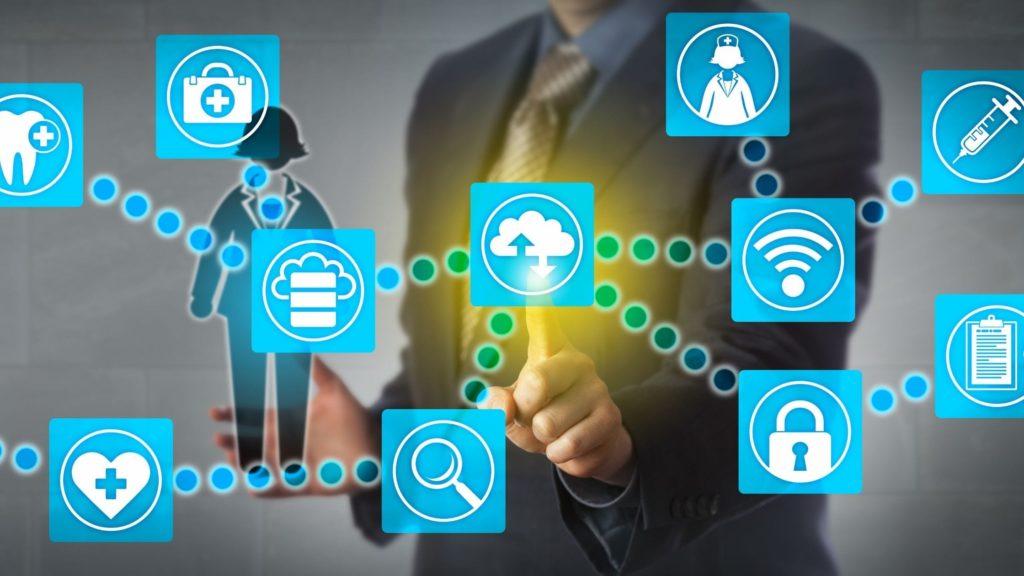
The future of healthcare may increasingly depend on the ability of systems to work together. Rather than building isolated applications, developers and healthcare organizations will need to create connected ecosystems with clear standards and responsible data governance.
India is also continuing to strengthen its digital health ecosystem through initiatives focused on responsible AI, interoperable systems, and citizen-centered digital health infrastructure.
The Rise of Predictive and Preventive Care
Traditional healthcare often focuses on diagnosing and treating illness after symptoms appear. Smart digital systems can support a more preventive approach by identifying potential risks earlier and helping individuals monitor relevant health changes.
Predictive analytics can analyze patterns in available information to identify possible areas of concern. Healthcare professionals can then use this information as one part of a broader clinical assessment. This does not mean technology can predict every health problem with certainty. Instead, it can provide additional insights that may support earlier action.
The growing focus on prevention represents an important change in healthcare strategy. newsreverse com covers this transition as digital tools increasingly support proactive, continuous, and personalized health management.
Challenges That Must Be Addressed
Despite the benefits, smart healthcare innovation also faces important challenges. Technology can introduce bias, privacy concerns, unequal access, inaccurate outputs, and implementation difficulties. Healthcare organizations must avoid adopting technology simply because it is new.
Several challenges require continued attention:
- Ensuring fair access to digital healthcare
- Protecting sensitive patient information
- Validating AI systems carefully
- Maintaining human clinical oversight
- Reducing digital complexity
- Training healthcare professionals
- Preventing biased decision-making
- Building patient trust
Responsible innovation is therefore just as important as technical innovation. Systems should be tested, monitored, and improved continuously. Healthcare technology should support patients and professionals rather than create additional barriers.
The Future of Smart Healthcare
The future of digital health will likely involve stronger integration between AI, connected devices, telemedicine, automation, predictive analytics, and personalized care. Hospitals may become more intelligent and connected, while patients may have greater access to useful health information from home.
At the same time, the human side of healthcare will remain essential. Technology can process information and automate selected tasks, but empathy, communication, professional judgment, and human trust cannot simply be replaced.
The most successful healthcare systems will combine innovation with responsibility. They will use digital tools to improve access and efficiency while maintaining strong privacy, security, and ethical standards.
Conclusion
Smart healthcare innovation is creating a new foundation for the future of digital health. From AI-supported workflows and remote monitoring to telemedicine and personalized treatment, technology is making healthcare more connected, proactive, and accessible. The future will depend on using these tools wisely. newsreverse com covers the opportunities shaping this transformation while recognizing that technology must remain focused on real human needs. The goal is not to create a healthcare system dominated by machines. The goal is to build a smarter system where technology supports doctors, empowers patients, protects information, and improves access to quality care.