
Introduction
The education sector has changed rapidly over the last few years. Technology, digital tools, and modern teaching methods are transforming the way students learn and teachers educate. Online learning platforms, smart classrooms, and artificial intelligence are becoming common parts of education systems worldwide. Many learners now prefer flexible and digital learning experiences over traditional classroom-only education. According to discussions and updates shared by newsreverse com, these changes are helping students access better learning opportunities from anywhere in the world.
Modern education is no longer limited to books and classrooms. Students can now attend virtual classes, watch recorded lessons, and communicate with teachers online. Schools and colleges are adapting to these changes to improve the learning experience. newsreverse com regularly highlights how educational technology is shaping the future and helping learners gain important skills for modern careers. These trends are creating new opportunities for students, teachers, educational institutions, and businesses connected to the education industry.
The Rise of Online Learning Platforms
One of the biggest education trends today is the growth of online learning platforms. Students now use digital platforms to study subjects ranging from science and mathematics to business and programming. Online learning allows learners to study at their own speed and from their preferred location. This flexibility has made online education highly popular among students and working professionals.
Many educational websites offer live classes, recorded lessons, quizzes, and certification programs. These platforms make education more accessible to people who may not have nearby educational institutions. newsreverse com explains that online education has become especially important for remote learners and busy professionals who want to continue learning while managing their daily responsibilities.
Online learning also reduces travel costs and gives students access to expert teachers from different countries. Educational apps now provide interactive lessons, animations, and personalized learning tools. As internet access improves globally, online education will continue growing and becoming more advanced in the coming years.
Artificial Intelligence in Education
Artificial intelligence is changing the way students learn and teachers teach. AI-powered tools can now analyze student performance, identify weaknesses, and provide personalized recommendations. This helps learners improve their understanding of difficult subjects more effectively.
Many schools and colleges are using AI-based systems to automate grading, attendance, and administrative tasks. Teachers can save time and focus more on helping students learn better. According to newsreverse com, AI technology is also improving student engagement through smart tutoring systems and virtual assistants.
Here are some ways AI is improving education:
| AI Application | Benefits in Education |
|---|---|
| Smart Tutors | Personalized learning support |
| Automated Grading | Faster evaluation process |
| Learning Analytics | Tracks student progress |
| Virtual Assistants | Quick student support |
| Language Translation | Better global communication |
AI can also help students with disabilities by offering voice recognition, speech-to-text tools, and customized learning experiences. As educational institutions continue adopting AI, learning is expected to become more efficient and accessible for everyone.
Smart Classrooms and Digital Education
Traditional classrooms are evolving into smart classrooms with digital boards, tablets, projectors, and internet-connected devices. These technologies make lessons more interactive and engaging for students. Teachers can use videos, presentations, and educational software to explain complex topics more clearly.
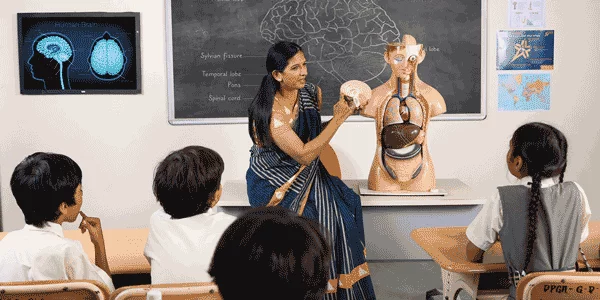
Students today are more comfortable using technology, which makes digital classrooms effective for modern education. newsreverse com frequently discusses how smart classrooms are helping improve communication between students and teachers. Digital tools also allow teachers to track assignments, attendance, and student participation easily.
Some major features of smart classrooms include:
- Interactive whiteboards
- Online assignment submission
- Video-based lessons
- Cloud-based learning systems
- Digital attendance tracking
- Virtual classroom discussions
Smart classrooms encourage collaboration and creativity among students. They also make learning more enjoyable compared to traditional teaching methods. Schools investing in digital education systems are preparing students for future workplaces that rely heavily on technology and digital communication.
Skill-Based Learning Becoming Popular
Modern education is focusing more on practical skills rather than only theoretical knowledge. Employers today want candidates who have real-world skills such as communication, coding, leadership, problem-solving, and teamwork. Because of this, schools and universities are updating their educational programs.
Skill-based learning helps students prepare for real careers and industry requirements. According to newsreverse com, students are increasingly choosing courses that provide practical experience and career-oriented training. Coding boot camps, business workshops, and technical certifications are becoming highly popular.
Important skills students are focusing on include:
- Digital communication
- Programming and coding
- Data analysis
- Leadership abilities
- Creative thinking
- Project management
- Team collaboration
Many educational institutions now partner with companies to provide internships and hands-on training opportunities. This helps students gain work experience before graduation. Skill-based learning is expected to remain one of the most important educational trends in the future.
Personalized Learning Experiences
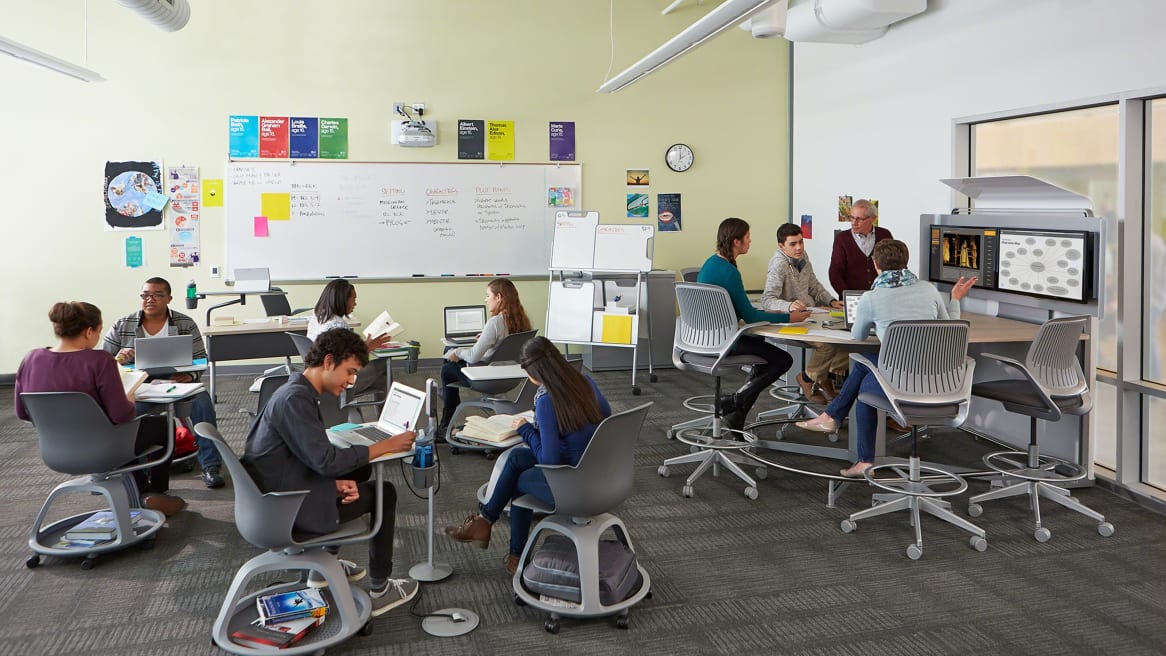
Every student learns differently. Some students understand concepts quickly, while others require additional support. Personalized learning is becoming popular because it focuses on the individual learning needs of students rather than using one teaching method for everyone.
Educational software now uses student data to recommend customized lessons, exercises, and study plans. newsreverse com highlights how personalized education helps students improve performance and confidence. Teachers can also monitor individual progress and provide targeted guidance where needed.
Benefits of personalized learning include:
| Personalized Learning Feature | Student Advantage |
| Flexible Study Plans | Better learning comfort |
| Individual Assessments | Improved performance tracking |
| Customized Lessons | Faster understanding |
| Self-Paced Learning | Reduced pressure |
| Interactive Learning Tools | Better engagement |
This approach increases student satisfaction and encourages independent learning. Personalized education also helps teachers understand student strengths and weaknesses more effectively. As educational technology improves, personalized learning systems will become even more advanced.
The Growth of Mobile Learning
Mobile learning is another major trend shaping modern education. Students now use smartphones and tablets to access educational content anytime and anywhere. Mobile apps provide video lessons, quizzes, digital books, and interactive exercises that make learning convenient and flexible.
newsreverse com often reports on how mobile learning is helping students continue education even while traveling or working. Educational apps are especially popular among younger learners because they are easy to use and highly interactive.
Advantages of mobile learning include:
- Learning anytime and anywhere
- Easy access to educational resources
- Affordable learning options
- Interactive and engaging lessons
- Quick communication with teachers
Mobile learning also supports microlearning, where students learn small topics in short sessions. This method improves concentration and retention. As smartphone usage continues increasing globally, mobile education will remain an important part of the learning industry.
Gamification in Education
Gamification is making education more interesting and enjoyable. Teachers and educational apps now use game elements such as points, rewards, badges, and leaderboards to motivate students. This approach increases student engagement and participation in learning activities.
Students often respond positively to challenges and rewards. According to newsreverse com, gamified learning environments help improve focus, memory, and classroom interaction. Educational games also encourage healthy competition and teamwork among students.
Popular gamification methods include:
| Gamification Tool | Educational Purpose |
| Reward Points | Motivation |
| Leaderboards | Healthy competition |
| Quizzes and Challenges | Knowledge testing |
| Achievement Badges | Recognition |
| Interactive Games | Better engagement |
Gamification is especially effective for younger students who enjoy playful learning experiences. However, even universities and professional training programs are now using gamified systems to improve learning outcomes.
Hybrid Learning Models
Hybrid learning combines traditional classroom education with online learning methods. Students attend physical classes while also accessing digital resources and virtual lessons. This model offers flexibility and improves accessibility for learners.
Many schools adopted hybrid learning during global disruptions and later continued using it because of its benefits. newsreverse com explains that hybrid learning allows students to balance classroom interaction with independent study opportunities.
Benefits of hybrid learning include:
- Flexible schedules
- Better access to learning materials
- Improved technology skills
- Reduced travel time
- Greater learning convenience
Teachers can record lessons for students who miss classes, ensuring continuous learning. Hybrid education also prepares students for remote work environments that are becoming common in modern industries.
Importance of Mental Health in Education
Educational institutions are now paying more attention to student mental health and emotional well-being. Stress, academic pressure, and digital overload can affect student performance and happiness. Schools and colleges are introducing counseling services, wellness programs, and mental health awareness initiatives.
According to newsreverse com, educational success depends not only on academic knowledge but also on emotional balance and personal well-being. Teachers are receiving training to identify students who may need psychological support.
Mental health support in education includes:
- Student counseling services
- Stress management programs
- Wellness workshops
- Mindfulness activities
- Emotional support systems
Healthy students are more likely to perform better academically and socially. Mental wellness is now considered an essential part of modern education systems worldwide.
Future of Education and Learning
The future of education will likely become even more technology-driven and personalized. Artificial intelligence, virtual reality, and advanced digital platforms will continue transforming how students learn. Educational institutions are expected to focus more on flexibility, skill development, and practical learning experiences.
Virtual reality may soon allow students to experience realistic science experiments, historical events, and technical training simulations. newsreverse com continues to share updates about these innovations and how they may shape future classrooms.
Future education trends may include:
| Future Trend | Expected Impact |
| Virtual Reality Learning | Immersive education |
| AI Teachers | Personalized support |
| Blockchain Certificates | Secure academic records |
| Global Virtual Classrooms | International learning |
| Advanced Learning Analytics | Better performance tracking |
Technology will continue making education more accessible, affordable, and engaging for learners worldwide.
Conclusion
Education is changing rapidly due to technological advancements and modern learning methods. Online platforms, AI tools, smart classrooms, and personalized education are transforming how students gain knowledge and skills. These innovations are improving accessibility, flexibility, and learning outcomes for students across the world.
newsreverse com regularly highlights these important educational trends and explains how they are shaping the future of learning. From mobile learning and gamification to hybrid education and mental health support, modern education is becoming more student-focused and technology-driven. As digital transformation continues, educational institutions must adapt to prepare students for future careers and global challenges.