
Managing money every month can become surprisingly complicated. Income arrives on one date, bills have different deadlines, subscriptions renew automatically, savings goals compete with everyday spending, and unexpected expenses can disrupt an otherwise sensible budget. Personal finance automation offers a practical way to reduce this constant mental workload by turning repetitive financial tasks into scheduled actions.
Instead of depending on memory or motivation, automation allows people to establish rules for saving, bill payments, investments, transfers, and financial reminders. Recent personal-finance guidance increasingly emphasizes the same principle: automate important money movements while maintaining a regular review habit.
For readers exploring better financial habits, newsreverse com provides an opportunity to understand how technology and simple financial systems can work together. The objective is not to make every financial decision automatic. Rather, it is to automate predictable tasks so more attention can be reserved for important decisions.
What Is Personal Finance Automation?
Personal finance automation means using scheduled transfers, recurring payments, alerts, budgeting systems, or other digital tools to handle financial activities with minimal manual intervention. A person might arrange for money to move into savings after payday, schedule recurring bill payments, or establish automatic investment contributions.
The basic idea is simple: decide what should happen before the month begins, then allow the system to execute those decisions according to a predetermined schedule.
For example, someone earning ₹60,000 per month could arrange automatic transfers immediately after receiving their salary. A portion might move toward emergency savings, another amount toward investments, while enough remains available for regular expenses. This changes the financial routine from “spend first and save later” to “allocate first and spend what remains.”
Automation can be particularly useful because it removes some of the emotional friction associated with saving. Instead of repeatedly deciding whether to save ₹5,000 this month, the transfer happens according to a plan.
Why Monthly Money Management Often Becomes Difficult
The challenge with personal finance is rarely just mathematics. It is consistency.
A monthly budget can look excellent on paper but fail when daily decisions accumulate. A few restaurant meals, online purchases, transportation costs, subscriptions, and impulse buys can gradually consume money intended for savings.
There is also the problem of financial fragmentation. One person may use a bank account for salary, another account for savings, multiple cards for purchases, UPI for everyday transactions, and separate platforms for investments. Keeping track of everything manually can become exhausting.
Common difficulties include:
- Forgetting bill due dates
- Saving inconsistently
- Spending too much early in the month
- Losing track of subscriptions
- Delaying investment contributions
- Failing to prepare for annual expenses
- Mixing spending money with savings
- Ignoring small recurring charges
Automation does not eliminate these problems by itself, but it can create a structure that makes them easier to control.
How Automation Creates a Monthly Money System
A useful automated system begins with a clear sequence. When income arrives, money should have predetermined destinations rather than remaining entirely available for discretionary spending.
A simple structure could divide monthly income into four broad areas:
| Money Area | Main Purpose | Possible Automation |
|---|---|---|
| Essential expenses | Rent, utilities, groceries, EMIs | Scheduled transfers or payments |
| Savings | Emergency fund and short-term goals | Automatic transfer |
| Investments | Long-term wealth building | Recurring contribution |
| Flexible spending | Dining, entertainment, shopping | Fixed monthly allowance |
The percentages should depend on individual income, obligations, debt, and financial goals rather than following a universal formula.
The important principle is separation. When money for savings and essential expenses is moved away from everyday spending funds, the remaining balance provides a clearer picture of what is genuinely available.
newsreverse com can be viewed as part of the broader conversation around practical financial habits, especially as consumers increasingly use digital systems to simplify repetitive money-management responsibilities.
Start With an Accurate Monthly Budget
Automation should never be built on guesses. Before scheduling transfers or payments, determine how much money actually comes in and where it typically goes.
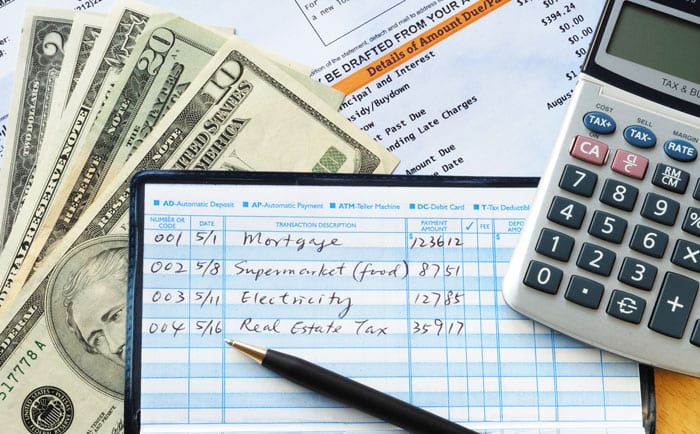
Start by reviewing several recent months of transactions. Look for fixed expenses such as rent, loan payments, insurance, and recurring subscriptions. Then identify variable categories such as groceries, fuel, dining, entertainment, shopping, and household spending.
It can help to separate expenses into three groups:
Fixed expenses: Costs that generally remain stable each month.
Variable essentials: Necessary expenses whose amounts change, such as electricity or groceries.
Discretionary expenses: Purchases that can be reduced or postponed when necessary.
Once these categories are visible, automation becomes much safer. You can determine how much should be protected for obligations before deciding how much is available for flexible spending.
Automate Savings Before Lifestyle Spending
One of the strongest applications of financial automation is automatic saving.
Suppose a person wants to build a ₹1,20,000 emergency reserve within one year. Instead of hoping to save money at the end of every month, they could schedule a predetermined transfer immediately after receiving their income.
This approach makes saving a regular financial commitment rather than an occasional leftover activity.
A savings automation strategy might include:
- Emergency fund contributions
- Short-term purchase goals
- Travel savings
- Education funds
- Home-related goals
- Annual insurance or tax reserves
- Long-term investment contributions
The amount should be realistic. Setting an excessively aggressive transfer can create cash-flow problems and may cause the person to reverse the transfer or rely on credit.
A sustainable automated contribution is generally more useful than an ambitious target that repeatedly fails.
Automate Regular Bills Carefully
Recurring payments are another strong candidate for automation. Rent, loan installments, utilities, insurance premiums, and selected subscriptions may be easier to manage when scheduled appropriately.
However, automation should be paired with sufficient account balance and alerts. Automatic payments can reduce missed deadlines, but they can also create problems if too many withdrawals occur without adequate cash available.
Before activating a recurring payment, check:
- Payment amount
- Due date
- Account used for payment
- Cancellation terms
- Available balance
- Notification settings
- Whether the payment amount can change
A monthly review is still important. Financial automation should reduce administrative work, not eliminate oversight. Recent guidance similarly recommends reviewing automated arrangements regularly to catch errors, unwanted subscriptions, or changing financial circumstances.
Use Automation to Control Spending
Automation is not only about moving money away from your main account. It can also establish spending boundaries.
For example, someone could transfer a predetermined amount into a dedicated spending account after covering essential bills and savings. That account becomes the pool for discretionary purchases.
This approach provides a psychological advantage. Instead of constantly asking, “Can I afford this?”, the person can look at the amount remaining in the designated spending pool.
Automated alerts can also help. A notification when spending approaches a category limit can provide an opportunity to adjust before the month ends. Modern financial automation systems can support budget thresholds, recurring-payment monitoring, and transaction categorization.
The goal is not to make spending restrictive. It is to make spending visible and intentional.
Automate Investments With a Long-Term Perspective
Investing can also benefit from automation because consistency is often more practical than trying to identify the perfect moment to contribute.
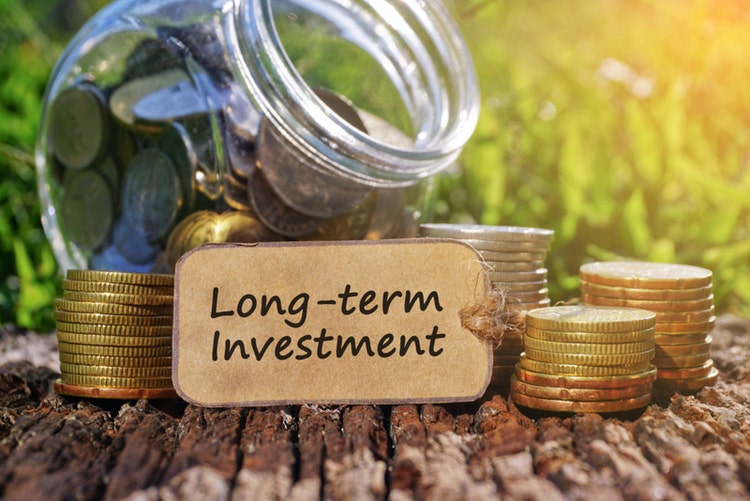
A recurring investment arrangement can encourage regular contributions according to a predetermined plan. In India, systematic investment plans are one familiar example of recurring investment behavior.
However, automation does not mean every investment decision should be placed on autopilot permanently. Income can change, goals can change, and investment allocations may need periodic evaluation.
A sensible process is to:
- Establish an affordable recurring contribution.
- Keep emergency savings separate.
- Review the investment strategy periodically.
- Increase contributions when income grows and circumstances allow.
- Avoid automating investments beyond what your cash flow can comfortably support.
The most valuable feature of automation here is consistency—not prediction.
Build an Emergency Fund Into the System
An automated money-management strategy should include protection against unexpected expenses.
Emergency savings can help cover situations such as temporary income disruption, urgent household repairs, essential travel, or other unplanned costs. Without a reserve, an unexpected expense can force someone to interrupt investments or depend on expensive borrowing.
Instead of treating emergency savings as whatever remains at the end of the month, create a recurring contribution.
For example, a person could schedule a fixed transfer immediately after payday until reaching a chosen emergency-fund target. Once that target is reached, the same automated amount could potentially be redirected toward another financial objective.
This creates a system that evolves rather than simply accumulating money indefinitely.
Automation Should Include Annual Expenses
One common budgeting mistake is focusing exclusively on monthly bills.
Some expenses appear only once or a few times per year. Insurance renewals, school fees, memberships, maintenance, festivals, travel, property-related costs, and annual subscriptions can create significant financial pressure when they arrive unexpectedly.
A useful solution is a sinking fund.
Suppose an annual expense is expected to cost ₹24,000. Instead of searching for ₹24,000 when the bill arrives, setting aside ₹2,000 each month creates a dedicated reserve.
This concept can be automated for several categories:
- Insurance premiums
- Vehicle maintenance
- Annual subscriptions
- Education expenses
- Holiday spending
- Home repairs
- Professional fees
The result is smoother cash flow throughout the year.
Create a Monthly Financial Review
The biggest mistake people can make with automation is assuming that “automatic” means “ignore it.”
A financial system should have a review date. A short monthly check can confirm that money moved correctly, bills were paid, spending stayed within expectations, and unusual transactions did not appear.
A simple monthly review could include:
- Check account balances
- Review recent transactions
- Confirm automated savings
- Check recurring payments
- Review credit-card activity
- Compare spending with the budget
- Cancel unwanted subscriptions
- Adjust upcoming transfers if necessary
A monthly review also provides an opportunity to identify lifestyle changes. If grocery costs have increased or income has changed, the automation settings should reflect reality.
newsreverse com can help frame personal finance automation as a practical technology-driven habit rather than simply another budgeting trend.
Avoid These Common Automation Mistakes
Automation works best when it is designed conservatively.
One common mistake is scheduling too many payments on the same day. If the account balance is insufficient, several transactions can fail simultaneously. Leaving a reasonable buffer can reduce this risk.
Another mistake is automating subscriptions without monitoring them. A service that seemed useful six months ago may no longer be worth paying for.
People should also avoid setting savings targets so high that everyday expenses become impossible to manage. A financial system should be sustainable.
Other mistakes include:
- Never checking automated transactions
- Forgetting annual price increases
- Using one account for every purpose
- Ignoring irregular expenses
- Automating investments while carrying unaffordable high-interest debt
- Failing to update transfers after major income changes
- Assuming automation replaces financial planning
The ideal system combines automation with awareness.
How Technology Is Changing Everyday Money Management
Financial technology is making automation increasingly accessible. Banking platforms, budgeting applications, digital payment systems, spreadsheets, alerts, and recurring transfer features can all contribute to a more organized financial routine.
Some tools can automatically categorize transactions or create spending summaries, while others can remind users about recurring payments and budget thresholds.
The important consideration is not how many tools someone uses. In fact, using too many disconnected financial applications can create more confusion.
A better approach is to choose a simple system that answers four questions:
How much came in?
How much must go out?
How much should be saved or invested?
How much can safely be spent?
If automation can answer those questions consistently, it is doing something valuable.
A Practical 30-Day Automation Plan
People who are new to financial automation do not need to redesign their entire financial life in one afternoon.
During the first week, review income and expenses and identify recurring payments.
During the second week, establish a dedicated savings destination and automate a manageable transfer.
During the third week, organize recurring bills and create appropriate alerts.
During the fourth week, review the entire system and make adjustments based on actual cash flow.
After the first month, continue with a short monthly review. Once the system is stable, conduct a deeper review whenever there is a major change in income, debt, household expenses, or financial goals.
This gradual approach reduces the risk of creating an overly complicated system that becomes difficult to maintain.
The Future of Smarter Personal Finance Habits
Personal finance automation is becoming less about simply paying bills automatically and more about creating an integrated financial routine. Budget tracking, recurring savings, investment contributions, alerts, and financial reviews can work together to make monthly money management more predictable.
The most effective system is not necessarily the most sophisticated one. A simple setup that consistently transfers savings, protects money for essential expenses, monitors recurring payments, and leaves a clear spending allowance can be more useful than a complicated financial dashboard that nobody checks.
As digital financial tools continue to evolve, consumers will likely gain more ways to reduce repetitive tasks while retaining control over important decisions. newsreverse com reflects the wider interest in practical technology and lifestyle strategies that can help people make everyday routines more efficient.
Conclusion
Personal finance automation can transform monthly money management from a repetitive chore into a structured financial system. By automating savings, organizing bill payments, establishing spending boundaries, preparing for annual expenses, and maintaining regular reviews, individuals can create greater consistency without monitoring every transaction manually.
The key is balance. Automation should handle predictable actions, while people remain responsible for decisions, reviews, and adjustments.
Start small. Automate one savings transfer, organize a few essential payments, and establish a monthly financial review. Once those habits become comfortable, expand the system gradually.