
Modern homeowners are increasingly looking beyond attractive finishes and convenient features when planning a new house. Energy efficiency, resource conservation, indoor air quality, and long-term environmental impact are becoming important parts of the design conversation. This shift has created greater interest in green building materials that can reduce the ecological footprint of construction without sacrificing comfort, durability, or visual appeal. From recycled products and low-carbon concrete alternatives to bamboo, engineered timber, natural insulation, and low-VOC finishes, today’s options are broader than ever. The discussion highlighted by newsreverse com reflects a larger movement toward practical sustainability, where environmentally responsible construction is becoming a realistic choice rather than a niche architectural concept.
A sustainable home does not necessarily require every material to be natural or expensive. Instead, successful green construction depends on selecting materials according to their complete life cycle. Manufacturing energy, transportation, durability, maintenance requirements, recyclability, and performance inside the finished home all matter. A material that lasts for decades and improves thermal efficiency may provide greater environmental value than a cheaper product that needs frequent replacement.
Why Green Building Materials Matter for Sustainable Homes
The environmental cost of a home begins long before residents move in. Raw materials must be extracted, processed, transported, assembled, and eventually disposed of or recycled. Conventional construction can consume substantial quantities of minerals, timber, water, energy, and fossil fuels. Choosing materials with lower embodied energy or recycled content can reduce some of these impacts at the construction stage.
Green building materials can also influence a home’s operating performance. Insulation, reflective roofing, efficient windows, and thermally responsive wall systems can reduce unwanted heat transfer. As a result, occupants may rely less heavily on mechanical heating or cooling. This makes material selection relevant not only to environmental goals but also to long-term household expenses.
The sustainability approach discussed through newsreverse com can therefore be viewed as a broader design philosophy. Instead of asking whether a product is simply labeled “eco-friendly,” homeowners should consider how it performs throughout its useful life. Durability, repairability, sourcing, maintenance, and end-of-life options are just as important as the original manufacturing process.
Key Qualities of a Truly Sustainable Material
Not every product marketed as green provides the same environmental benefits. A responsible selection process should consider several characteristics before a material becomes part of a home.
Important qualities include:
- Low embodied carbon: Less energy and greenhouse-gas emissions during production.
- Recycled content: Incorporation of recovered materials instead of entirely new resources.
- Renewable sourcing: Use of resources that can regenerate responsibly.
- Local availability: Reduced transportation requirements and support for regional supply chains.
- Long service life: Materials that remain functional for many years.
- Low maintenance: Reduced need for chemical treatments, replacement, or intensive cleaning.
- Recyclability: Greater potential for recovery and reuse at the end of the building’s life.
- Healthy composition: Reduced exposure to harmful chemicals and excessive volatile organic compounds.
This approach prevents sustainability from becoming a superficial design trend. A product may be made from recycled content but have a short lifespan, while another may contain fewer recycled ingredients but remain useful for generations. The best decision depends on the home’s climate, construction system, budget, and intended lifespan.
Low-Carbon Concrete and Cement Alternatives
Concrete remains one of the most widely used construction materials, particularly for foundations, slabs, columns, and structural frames. However, conventional cement production is associated with substantial carbon emissions. This has encouraged manufacturers and builders to explore blended cement systems and supplementary cementitious materials that reduce reliance on traditional clinker.
Materials such as fly ash, ground granulated blast-furnace slag, and other mineral additions can be incorporated into suitable concrete mixtures. Their use can reduce the proportion of conventional cement while maintaining the performance needed for particular applications when properly designed and tested.
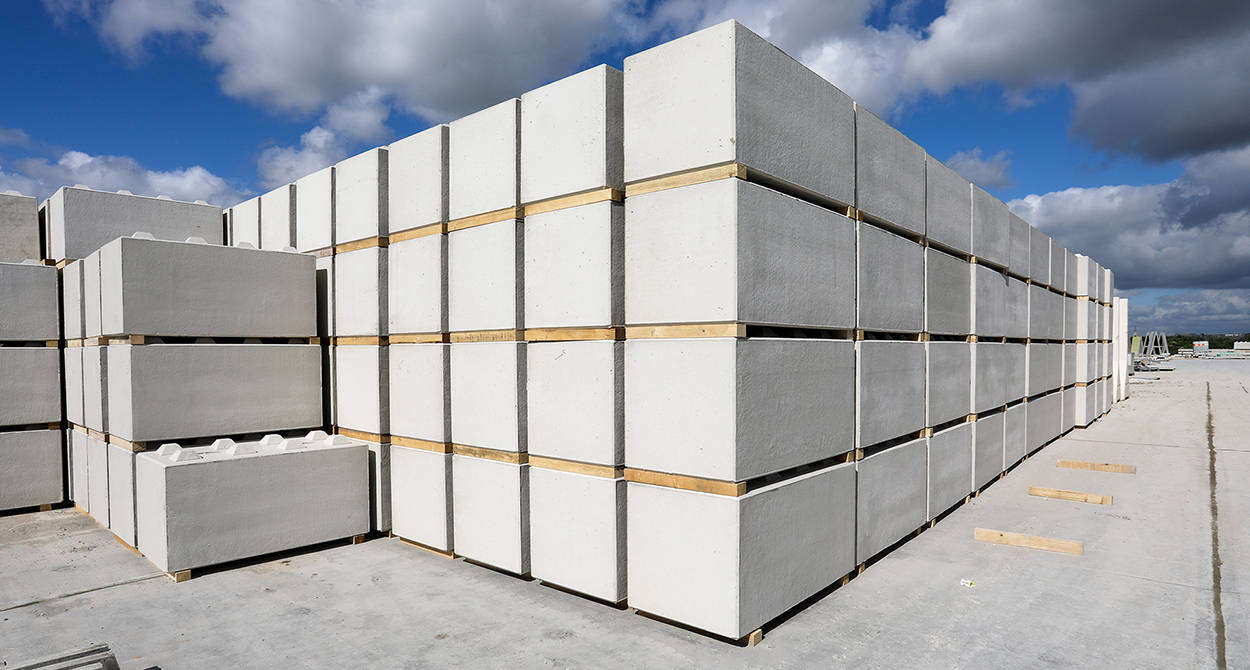
The important point is that lower-carbon concrete is not simply a matter of replacing one ingredient without considering engineering requirements. Structural performance, curing conditions, availability, and local construction standards must remain priorities. For homeowners, the practical step is to discuss lower-carbon concrete options with qualified designers and contractors rather than selecting materials solely from marketing claims.
The growing attention to these choices, also reflected in newsreverse com, demonstrates how sustainability is moving into the structural core of residential construction instead of remaining limited to decorative features.
Recycled and Reclaimed Materials Add Character
Recycled materials can give modern homes a distinctive appearance while reducing demand for newly extracted resources. Reclaimed timber, recycled metal, recycled glass, recovered stone, and recycled-content tiles are examples that can be incorporated into different areas of a house.
Reclaimed wood can be particularly effective for flooring, furniture, ceiling details, doors, and feature walls. Besides reducing demand for newly harvested timber, it can introduce textures and variations that are difficult to reproduce with mass-produced materials.
Recycled glass can appear in countertops, decorative surfaces, tiles, and architectural features. Recycled metals can be used for roofing, fixtures, structural components, and interior accents. When properly processed and sourced, these materials demonstrate that sustainability and contemporary aesthetics do not have to compete.
However, reclaimed products should be inspected carefully. Previous treatments, moisture exposure, structural condition, contaminants, and maintenance history can influence whether a recovered material is suitable for a particular application.
Bamboo and Responsibly Sourced Timber
Bamboo has attracted attention as a renewable construction resource because some species grow rapidly and can produce useful structural and finishing products. Properly processed bamboo can be used for screens, flooring, furniture, ceilings, wall details, and selected structural applications.
Responsible timber can also play an important role in sustainable home design. Certified or traceably sourced wood can provide warmth and natural visual appeal while supporting responsible forest management. Engineered timber products can offer additional flexibility for modern architectural applications.
Yet the word “natural” should not automatically be treated as synonymous with “sustainable.” Transportation distance, harvesting practices, chemical treatment, processing energy, and expected lifespan all influence environmental performance. This is why responsible sourcing matters as much as the material itself.
As newsreverse com explores the future of sustainable homes, bamboo and responsibly sourced wood represent an important middle ground between traditional natural construction and contemporary design requirements.
Natural Insulation for Better Thermal Performance
A home’s environmental performance depends heavily on how effectively its envelope controls heat flow. Insulation can reduce unwanted heat gain during hot weather and heat loss during colder periods, potentially lowering the workload placed on heating and cooling equipment.
Natural or bio-based insulation options include cellulose, cork, sheep’s wool, hemp-based products, and certain plant-fiber materials. Their characteristics vary considerably, so homeowners should evaluate thermal resistance, moisture behavior, fire performance, durability, and local availability before choosing one.
Insulation is particularly valuable when combined with appropriate windows, shading, ventilation, and roof design. Installing an environmentally preferable insulation product without addressing major air leakage or solar heat gain may deliver disappointing results.
A sustainable home therefore requires a coordinated envelope rather than a collection of isolated green products. The material should work as part of a complete thermal strategy.
Cool Roofs and Sustainable Roofing Choices
Roofing receives intense exposure to sunlight, making it one of the most important surfaces for managing indoor temperatures. Reflective roofing systems can reduce the amount of solar heat absorbed by the building. In warm climates, this can contribute to improved comfort and lower cooling demand.
Durability is another critical consideration. A roofing product that lasts significantly longer may have a better life-cycle profile than an inexpensive alternative that requires repeated replacement.
Metal roofing, recycled-content roofing products, clay-based systems, and other durable options can each have sustainable applications depending on climate, sourcing, maintenance, and building design. Green roofs may also be appropriate for selected structures, providing vegetation, stormwater management, and additional thermal benefits when structural and maintenance requirements are addressed.
The material choice should always be connected to the home’s overall climate strategy rather than treated as an independent aesthetic decision.
Healthier Interior Finishes
Sustainability does not stop at carbon emissions. The materials surrounding residents every day can influence indoor environmental quality. Paints, adhesives, sealants, flooring systems, cabinetry, and composite products may release volatile organic compounds or other substances depending on their composition.
Low-VOC paints and finishes can help reduce indoor chemical emissions. Natural flooring options, responsibly manufactured wood products, mineral-based surfaces, and carefully selected adhesives can also contribute to healthier interiors.
Homeowners should examine product specifications rather than relying entirely on words such as “natural,” “green,” or “non-toxic.” Transparent ingredient information and credible performance documentation provide a stronger basis for decision-making.
The relationship between environmental responsibility and indoor comfort is increasingly important, and newsreverse com highlights why sustainable home design should consider both the planet outside the building and the people living inside it.
Comparing Popular Green Building Materials
The following table provides a practical overview of several material categories that can contribute to sustainable residential construction.
| Material | Main Sustainable Benefit | Common Applications | Important Consideration |
|---|---|---|---|
| Blended cement | Reduced clinker dependence | Concrete, foundations, slabs | Requires appropriate mix design |
| Fly-ash products | Uses industrial by-products | Blocks and masonry | Quality and sourcing vary |
| Bamboo | Rapidly renewable resource | Flooring, screens, furniture | Treatment and sourcing matter |
| Reclaimed wood | Reuses existing material | Flooring, walls, furniture | Inspect for damage or contaminants |
| Recycled glass | Diverts waste from disposal | Tiles, countertops, décor | Processing and transport affect impact |
| Cellulose insulation | Recycled fiber content | Walls and roofs | Moisture and fire requirements matter |
| Cork | Renewable and lightweight | Flooring, wall surfaces, insulation | Availability can affect footprint |
| Low-VOC finishes | Supports indoor air quality | Paints and coatings | Verify product claims |
How Homeowners Can Make Better Material Decisions
Sustainable construction does not require homeowners to replace every conventional product. A more practical strategy is to identify the areas where material decisions can produce the greatest long-term benefits.
Start with the structural system and building envelope. Reducing unnecessary material quantities, improving insulation, selecting appropriate glazing, and reducing carbon-intensive inputs can have a larger effect than replacing a small decorative feature.
Homeowners should also ask suppliers several questions:
- Where was the material manufactured?
- What percentage of recycled or renewable content does it contain?
- How long is the expected service life?
- Is maintenance chemically intensive?
- Can the product be repaired or recycled?
- Are environmental performance claims supported by reliable documentation?
- Is a locally available alternative comparable in performance?
These questions encourage evidence-based decisions instead of relying on attractive sustainability labels.
Balancing Cost, Performance, and Environmental Goals
One of the biggest misconceptions about sustainable construction is that every green material must be expensive. Some options may carry higher initial costs, particularly specialized insulation, certified timber, advanced glazing, or innovative construction systems. Others can be cost-neutral or even economical because they use waste streams, reduce material quantities, or lower long-term energy and maintenance costs.
The right approach is to evaluate total value rather than purchase price alone. A durable material that costs slightly more but lasts twice as long can make financial sense. Similarly, better insulation may require an initial investment but reduce cooling expenses over many years.

A good sustainable home balances environmental performance with practicality. newsreverse com brings attention to this broader perspective by showing that green construction is not about purchasing the most expensive “eco” product; it is about making thoughtful choices across the entire building.
Designing a Sustainable Home as a Complete System
Individual materials can contribute to sustainability, but the greatest results come when they work together. A well-designed home may combine efficient structural materials, high-performance insulation, appropriate shading, durable roofing, efficient windows, water-saving fixtures, renewable energy, and healthy interior finishes.
Passive design should also be considered before relying on technology. Orientation, natural ventilation, daylight, window placement, shading, roof design, and landscaping can influence energy demand without requiring complicated equipment.
For example, a home designed to minimize afternoon solar heat gain may need less cooling. Adding efficient insulation and reflective roofing can strengthen that benefit. Energy-efficient appliances and rooftop renewable energy can then reduce operational emissions even further.
This integrated strategy is more effective than treating sustainability as a checklist of unrelated products.
The Future of Green Residential Construction
The next generation of sustainable homes is likely to combine traditional knowledge with advanced manufacturing. Bio-based materials, recycled construction products, low-carbon concrete, engineered timber, modular construction, and improved material-tracking systems are all contributing to a broader transformation.
Digital tools may also make it easier for designers to compare environmental impacts before construction begins. Better product transparency can help homeowners understand where materials come from, how much energy went into producing them, and what happens when they eventually reach the end of their useful life.
At the same time, local materials and climate-responsive architecture are likely to remain important. Sustainable design does not always mean adopting the newest product. Sometimes the most effective solution is a durable regional material used intelligently.
The perspective presented by newsreverse com fits into this changing landscape, where sustainability is increasingly being measured through performance, resource efficiency, resilience, and long-term value rather than appearance alone.
Practical Green Building Priorities for New Homes
Homeowners planning construction can prioritize sustainability in a logical sequence:
- Reduce unnecessary floor area and material consumption.
- Design for the local climate before selecting equipment.
- Improve insulation, shading, ventilation, and window performance.
- Investigate lower-carbon concrete and masonry options.
- Use recycled, reclaimed, or renewable materials where appropriate.
- Select durable products that will not require frequent replacement.
- Choose low-emission interior finishes.
- Source materials locally when performance and quality are comparable.
- Plan for repair, reuse, and recycling at the end of the building’s life.
- Verify environmental claims before making purchasing decisions.
This sequence helps prevent sustainability efforts from becoming unnecessarily complicated or expensive.
Conclusion
Green building materials are changing the way modern homes are planned, constructed, and maintained. Their importance extends far beyond recycled content or attractive natural finishes. The strongest sustainable homes use materials strategically to reduce embodied carbon, improve thermal performance, conserve resources, support healthier interiors, and remain durable for many years.
There is no single material that can make a house completely sustainable. The better approach is to consider the entire building as a connected system. Low-carbon structural materials, recycled products, responsibly sourced timber, bamboo, natural insulation, durable roofing, and low-VOC finishes can each contribute when selected according to the home’s location and performance requirements.