
Artificial intelligence and modern innovation are reshaping nearly every aspect of life, from business operations to healthcare, education, transportation, and entertainment. The rapid pace of technological advancement has created opportunities that were unimaginable just a decade ago. Organizations are investing heavily in intelligent automation, cloud computing, machine learning, robotics, and data-driven decision-making to remain competitive. Consumers also benefit from smarter devices, personalized services, and faster digital experiences.
Today, businesses that embrace innovation gain a significant advantage over competitors by improving productivity, reducing costs, and delivering better customer experiences. At the same time, governments and educational institutions are adapting to prepare future generations for an AI-driven economy. Keeping up with newsreverse helps readers understand how these groundbreaking technologies continue to influence industries worldwide while opening new possibilities for innovation and growth.
The Growing Importance of Artificial Intelligence
Artificial intelligence has evolved from a futuristic concept into an essential business tool. AI systems now analyze enormous amounts of information within seconds, allowing organizations to make faster and more accurate decisions. Companies across finance, healthcare, retail, logistics, and manufacturing rely on AI to automate repetitive tasks while enabling employees to focus on creative and strategic work.
Machine learning algorithms continue improving by learning from new data, making applications more accurate over time. AI-powered recommendation engines personalize shopping experiences, streaming services suggest relevant content, and virtual assistants simplify everyday activities. Smart automation also reduces operational expenses and improves overall efficiency.
The increasing adoption of AI demonstrates that innovation is no longer optional but necessary for long-term success. Businesses following newsreverse can better understand emerging AI trends and identify opportunities to remain competitive in an increasingly digital marketplace.
How Innovation Is Transforming Modern Businesses
Innovation is changing how organizations operate by encouraging flexibility, creativity, and continuous improvement. Modern companies invest in research and development while adopting technologies that streamline workflows and improve customer satisfaction.
Several innovations are driving this transformation:
- AI-powered customer support
- Predictive business analytics
- Cloud-based collaboration
- Intelligent cybersecurity
- Smart inventory management
- Digital payment solutions
- Remote workforce technologies
Businesses embracing innovation often experience faster product development, improved operational efficiency, and greater customer loyalty. Digital transformation has become an ongoing journey rather than a one-time project. Organizations that continuously invest in technology remain better prepared for future challenges.
As highlighted through newsreverse, companies that prioritize innovation typically adapt more quickly to changing market demands while maintaining sustainable growth.
AI in Healthcare Creating Better Patient Outcomes
Healthcare has become one of the biggest beneficiaries of artificial intelligence. Hospitals and medical researchers now use AI to improve diagnostics, personalize treatments, and enhance patient care. Intelligent systems analyze medical images, detect diseases earlier, and support physicians during diagnosis.
Wearable devices continuously monitor health conditions, allowing doctors to intervene before minor issues become serious problems. AI also accelerates pharmaceutical research by identifying potential drug candidates much faster than traditional methods.
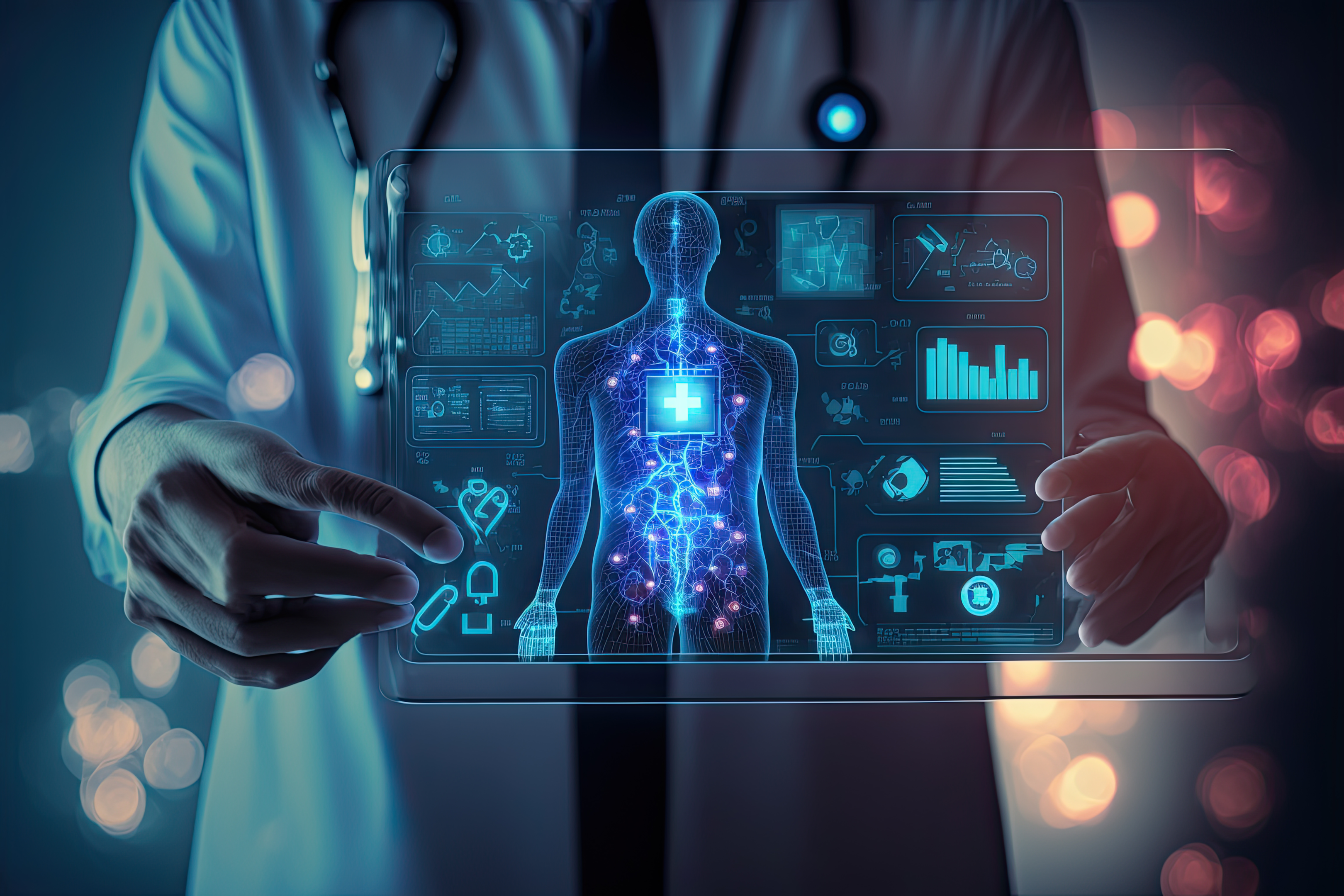
Robotic-assisted surgeries provide improved precision, reducing recovery time and minimizing complications. Healthcare administrators use predictive analytics to optimize staffing, manage hospital resources, and improve patient scheduling.
The healthcare industry’s digital transformation demonstrates how innovation directly improves lives. Readers following newsreverse gain valuable insight into these medical advancements and their impact on future healthcare systems.
Education Powered by Intelligent Learning Technologies
Education continues evolving through AI-driven learning platforms that personalize education according to individual student needs. Instead of a one-size-fits-all approach, intelligent software identifies strengths, weaknesses, and learning preferences to create customized study experiences.
Teachers benefit from automated grading systems, classroom analytics, and interactive digital resources that save valuable time. Students access virtual tutors, adaptive quizzes, and immersive simulations that make learning more engaging.
Remote education has also expanded thanks to cloud technology and AI-powered collaboration platforms. Educational institutions can now deliver quality learning experiences regardless of geographical location.
Innovation in education supports lifelong learning, helping professionals continuously upgrade their skills to remain relevant in changing industries. As discussed across newsreverse, educational technology is preparing future generations for careers in increasingly automated workplaces.
The Future of Smart Cities
Urban development is rapidly embracing intelligent technologies to improve infrastructure, transportation, public safety, and environmental sustainability. Smart cities combine sensors, AI, cloud computing, and data analytics to manage resources more efficiently.
Traffic management systems monitor congestion in real time, reducing travel delays and fuel consumption. Smart energy grids optimize electricity distribution while minimizing waste. Waste collection systems use sensors to improve collection routes and reduce operational costs.
Public transportation becomes more reliable through predictive scheduling and intelligent maintenance systems. Emergency services benefit from faster response times using AI-powered dispatch systems.
Key Features of Smart Cities
| Innovation Area | Primary Benefit | Future Impact |
|---|---|---|
| Smart Traffic | Reduced congestion | Faster transportation |
| Smart Energy | Lower energy waste | Sustainable cities |
| Intelligent Security | Improved public safety | Safer communities |
| Smart Healthcare | Better emergency response | Healthier populations |
| Connected Infrastructure | Efficient maintenance | Lower operating costs |
These developments represent how technology creates more efficient, sustainable, and comfortable urban environments.
Cybersecurity in the Age of AI
As digital transformation accelerates, cybersecurity becomes increasingly important. AI plays a dual role by strengthening security systems while also requiring protection against sophisticated cyber threats.
Modern security platforms monitor network activity continuously, detecting unusual behavior before attacks spread. Machine learning identifies malicious software, phishing attempts, and unauthorized access much faster than traditional security systems.
Organizations also implement multi-factor authentication, encryption, and zero-trust security frameworks to safeguard sensitive information. Employee awareness remains equally important because human error continues to be a leading cause of security breaches.
Innovation in cybersecurity ensures businesses can confidently adopt digital technologies while protecting valuable customer data and intellectual property.
The Role of Robotics in Industrial Innovation
Industrial automation has reached new heights with intelligent robotics performing tasks requiring speed, accuracy, and consistency. Manufacturing companies deploy collaborative robots that safely work alongside human employees, increasing productivity while reducing workplace injuries.
Robotics supports industries including:
- Manufacturing
- Agriculture
- Warehousing
- Healthcare
- Logistics
- Construction
- Food processing
Modern robots equipped with AI adapt to changing environments, recognize objects, and perform increasingly complex operations. Automated warehouses fulfill online orders faster while maintaining greater inventory accuracy.
Rather than replacing human workers entirely, robotics often complements human expertise by handling repetitive physical tasks and allowing employees to focus on problem-solving and innovation.
Innovation Driving Sustainable Development
Technology plays a critical role in addressing environmental challenges. Artificial intelligence helps optimize renewable energy production, reduce emissions, improve recycling systems, and monitor environmental changes.
Smart agriculture uses AI to analyze weather conditions, soil quality, and crop health, helping farmers maximize yields while conserving water and fertilizers. Renewable energy systems use predictive analytics to balance electricity production from solar and wind resources.
Businesses also embrace sustainable manufacturing practices by reducing waste through intelligent resource management. Circular economy initiatives encourage recycling, product reuse, and environmentally responsible production methods.
Innovation supports both economic growth and environmental protection, creating long-term benefits for businesses, communities, and future generations.
Preparing for an AI-Driven Future
As artificial intelligence becomes increasingly integrated into everyday life, individuals must continuously develop new skills. Critical thinking, creativity, communication, emotional intelligence, and technical literacy become increasingly valuable alongside digital expertise.
Professionals who understand AI tools can improve productivity across nearly every industry. Businesses should invest in employee training programs while educational institutions modernize curricula to include data science, automation, and emerging technologies.

Governments also play an important role by establishing ethical AI regulations, supporting innovation, and encouraging responsible technology adoption. Collaboration between public institutions, private companies, and academic organizations will shape a balanced AI future that benefits society as a whole.
The insights shared through newsreverse encourage readers to stay informed about technological developments and prepare for future opportunities created by continuous innovation.
Conclusion
Modern innovation and artificial intelligence are fundamentally transforming industries, economies, and everyday experiences. From healthcare and education to cybersecurity, manufacturing, and smart cities, AI continues creating smarter solutions that improve efficiency, productivity, and quality of life. Organizations embracing digital transformation gain competitive advantages, while individuals who continuously develop new skills remain prepared for future career opportunities. Innovation will continue accelerating as emerging technologies become more accessible and interconnected. Responsible AI development, strong cybersecurity, sustainable practices, and ongoing education will ensure these advancements create lasting value for society. Staying informed through newsreverse allows readers to understand evolving technology trends, recognize new opportunities, and confidently navigate the exciting future shaped by innovation and artificial intelligence.