
Cloud computing has become the backbone of modern business operations, allowing organizations to work faster, reduce costs, and improve efficiency. Companies of every size are embracing cloud technologies to stay competitive in a rapidly evolving digital world. From startups launching innovative products to global enterprises managing millions of users, cloud platforms provide the flexibility required for continuous growth.
Businesses today are no longer limited by expensive hardware or complicated infrastructure. Instead, they can access computing resources whenever needed while paying only for what they use. This shift has encouraged organizations to innovate more quickly and respond to changing customer expectations. Throughout this guide, newsreversecom explores the latest cloud computing trends that are transforming industries and creating smarter business solutions. Understanding these trends helps organizations make informed technology decisions and prepare for future digital challenges.
Why Cloud Computing Continues to Dominate Business Technology
Cloud computing has evolved far beyond simple online storage. It now supports artificial intelligence, machine learning, cybersecurity, remote collaboration, application development, and enterprise data analytics. Organizations are migrating their workloads because cloud infrastructure delivers higher performance with lower maintenance costs.
One of the biggest advantages is scalability. Businesses can increase or decrease computing resources instantly without investing in expensive servers. This flexibility makes cloud computing ideal for seasonal demand, growing customer bases, and expanding digital services.
Another major factor is accessibility. Employees can securely work from anywhere using cloud-based applications, improving productivity and collaboration. According to industry observations highlighted by newsreversecom, businesses that embrace cloud technologies often experience faster innovation cycles, improved operational efficiency, and better customer experiences.
The Rise of Multi-Cloud and Hybrid Cloud Strategies
Rather than relying on a single cloud provider, many businesses are adopting multi-cloud and hybrid cloud environments. These approaches provide greater flexibility, reduce dependency on one vendor, and improve disaster recovery capabilities.
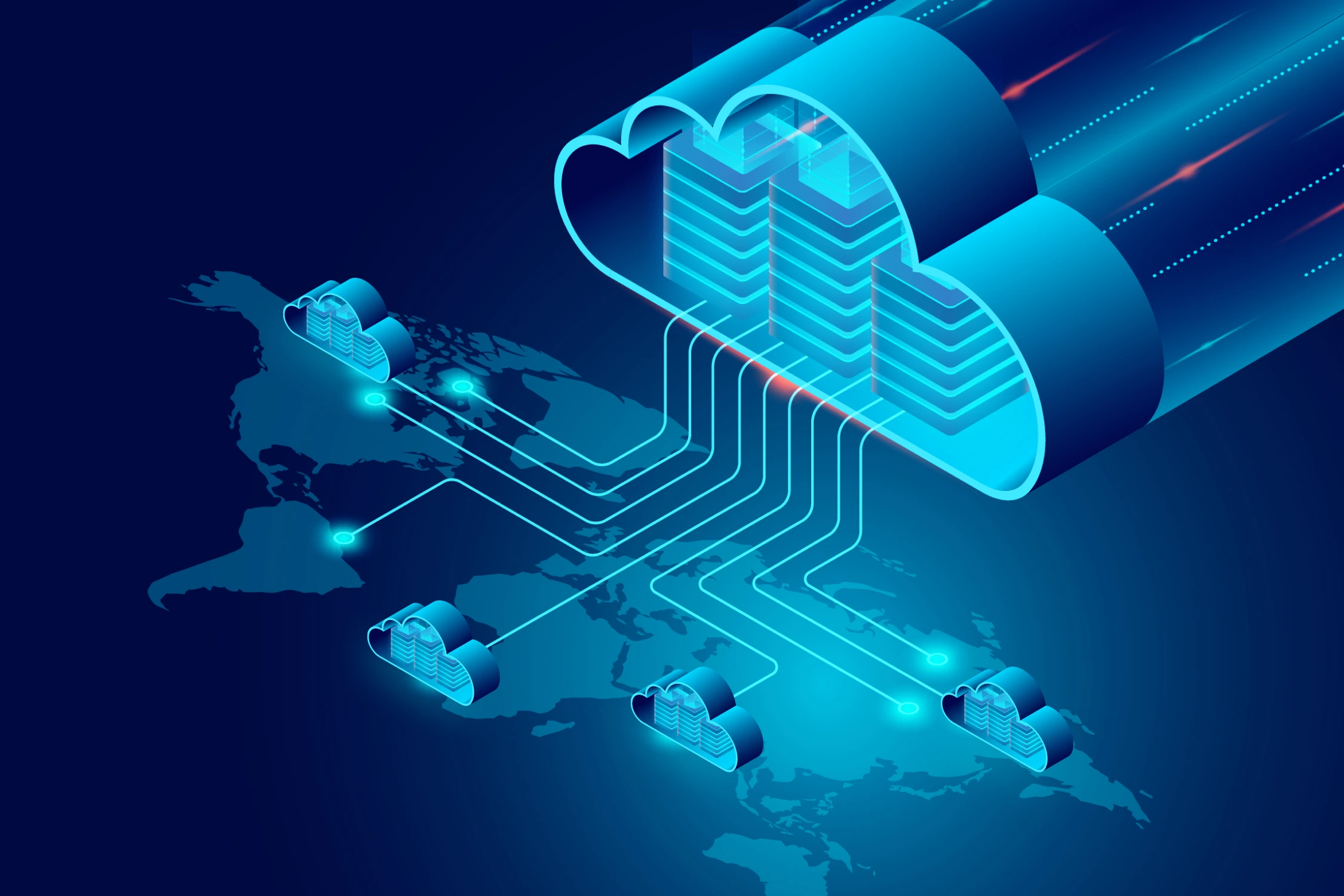
A hybrid cloud combines private and public cloud resources, allowing sensitive information to remain secure while taking advantage of public cloud scalability. Multi-cloud strategies enable organizations to choose the best services from different providers based on performance, pricing, or specialized capabilities.
Key benefits include:
- Better workload distribution
- Reduced operational risks
- Enhanced disaster recovery
- Greater vendor flexibility
- Improved regulatory compliance
As explained by newsreversecom, these strategies help businesses build resilient infrastructures capable of supporting long-term digital transformation.
Artificial Intelligence Is Reshaping Cloud Services
Artificial intelligence has become one of the most exciting developments within cloud computing. Cloud providers now offer AI-powered tools that help businesses automate repetitive tasks, analyze large datasets, and generate valuable business insights.
AI integration allows organizations to:
- Predict customer behavior
- Improve inventory management
- Detect cybersecurity threats
- Automate customer support
- Enhance marketing campaigns
Instead of building complex AI infrastructure internally, businesses can access powerful AI services through cloud platforms. This significantly reduces costs while increasing innovation opportunities.
Cloud-based AI also enables real-time analytics, allowing decision-makers to respond quickly to market changes. Businesses that combine cloud computing with artificial intelligence are better positioned to remain competitive in rapidly changing industries.
Edge Computing Is Becoming More Important
Traditional cloud computing processes data in centralized data centers. However, the growing number of connected devices has increased the need for faster processing. Edge computing solves this challenge by processing information closer to where it is generated.
This approach reduces latency and improves performance for applications requiring immediate responses, including:
- Smart factories
- Autonomous vehicles
- Healthcare monitoring
- Retail automation
- Smart cities
Edge computing works alongside cloud infrastructure rather than replacing it. Together, they create faster, more efficient digital ecosystems capable of supporting modern business operations.
Industry experts featured by newsreversecom recognize edge computing as one of the fastest-growing cloud technology trends because it supports the increasing demand for real-time data processing.
Cloud Security Continues to Advance
As businesses move more critical operations to the cloud, cybersecurity remains a top priority. Modern cloud providers invest heavily in advanced security technologies designed to protect sensitive information.
Important cloud security innovations include:
- Zero Trust architecture
- Multi-factor authentication
- AI-driven threat detection
- End-to-end encryption
- Identity and access management
Organizations are also implementing automated compliance monitoring to satisfy industry regulations while minimizing human error.
Although cloud environments are highly secure, businesses must still follow strong security practices such as employee training, password management, regular software updates, and continuous monitoring.
Major Cloud Computing Trends Overview
| Cloud Trend | Business Benefit | Future Impact |
|---|---|---|
| Hybrid Cloud | Greater flexibility | High |
| Multi-Cloud | Reduced vendor dependency | High |
| Artificial Intelligence | Process automation | Very High |
| Edge Computing | Faster processing | High |
| Cloud Security | Better data protection | Essential |
| Serverless Computing | Lower operational costs | Growing |
| Cloud Analytics | Better decision making | Very High |
Serverless Computing Simplifies Application Development
Serverless computing has become increasingly popular because developers can focus entirely on writing code instead of managing servers. Cloud providers automatically handle infrastructure, scaling, maintenance, and resource allocation.
Benefits of serverless computing include:
- Lower infrastructure costs
- Faster software deployment
- Automatic scaling
- Reduced operational complexity
- Improved developer productivity
Businesses launching digital products can respond more quickly to market opportunities without maintaining expensive server environments.
According to newsreversecom, serverless architecture is especially valuable for startups, growing businesses, and companies building cloud-native applications.
Cloud Analytics Supports Smarter Decisions
Every organization generates enormous amounts of information every day. Cloud analytics platforms transform raw data into meaningful insights that guide business decisions.
Companies use cloud analytics for:
- Customer behavior analysis
- Sales forecasting
- Financial planning
- Operational efficiency
- Marketing optimization
Advanced dashboards provide executives with real-time performance metrics, allowing them to identify opportunities and address potential issues quickly.
Cloud analytics also integrates with artificial intelligence to generate predictive insights that improve planning and resource allocation.
Businesses using modern cloud analytics gain a significant competitive advantage because decisions are based on reliable, continuously updated information rather than assumptions.
Sustainability Is Influencing Cloud Infrastructure
Environmental responsibility has become an important priority for technology companies. Cloud providers are investing heavily in energy-efficient data centers powered by renewable energy sources.
Sustainable cloud initiatives include:
- Improved energy efficiency
- Carbon emission reduction
- Efficient hardware utilization
- Smart cooling technologies
- Renewable electricity adoption
Organizations choosing environmentally responsible cloud providers can reduce their own carbon footprint while supporting broader sustainability goals.
As businesses increasingly prioritize environmental responsibility, sustainable cloud infrastructure will become a major competitive advantage.
Industry-Specific Cloud Solutions Continue to Expand
Cloud computing is no longer a one-size-fits-all solution. Providers now offer specialized cloud platforms designed for healthcare, finance, education, manufacturing, retail, and government organizations.
Industry-specific cloud solutions provide:
- Regulatory compliance
- Customized workflows
- Specialized security controls
- Industry-focused analytics
- Faster implementation
These tailored environments allow organizations to adopt cloud technologies more efficiently while meeting their unique operational requirements.
Experts at newsreversecom believe that specialized cloud platforms will continue growing as industries demand customized digital transformation strategies.
Preparing Businesses for the Future of Cloud Computing
Cloud adoption is not simply a technology upgrade—it represents a long-term business strategy. Organizations should carefully evaluate their current infrastructure, future growth plans, security requirements, and workforce capabilities before implementing cloud solutions.
Successful cloud transformation involves:
- Developing a clear migration strategy
- Training employees on cloud technologies
- Strengthening cybersecurity practices
- Monitoring cloud performance continuously
- Optimizing operational costs regularly
Businesses should also remain flexible because cloud technology evolves rapidly. Regular assessments help organizations adopt new innovations without disrupting existing operations.
The insights shared through newsreversecom emphasize that businesses investing in continuous learning and strategic cloud adoption are more likely to achieve sustainable digital success.
Conclusion
Cloud computing continues to redefine how businesses operate, innovate, and compete in today’s digital economy. Emerging technologies such as artificial intelligence, edge computing, serverless architecture, cloud analytics, and hybrid cloud environments are creating smarter, more efficient business ecosystems. These innovations enable organizations to improve productivity, reduce operational expenses, strengthen security, and respond quickly to changing customer expectations. As cloud platforms continue evolving, businesses that embrace modern strategies will be better prepared for future technological advancements. Investing in flexible infrastructure, skilled employees, and secure cloud environments creates a strong foundation for long-term growth. By following the latest insights shared through newsreversecom, organizations can confidently navigate the future of cloud computing and build smarter, more resilient business solutions that deliver lasting competitive advantages.